

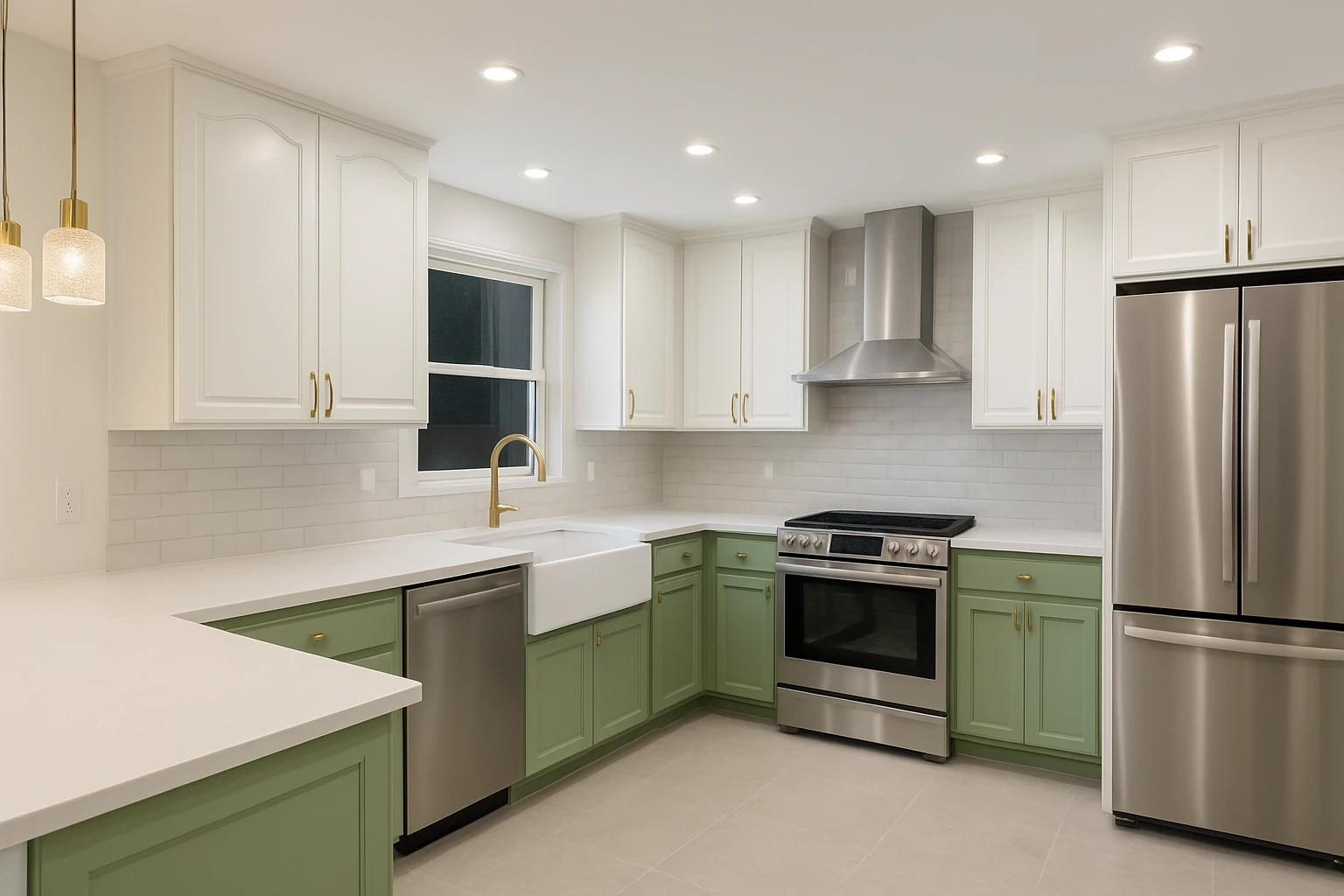
The traditional residential construction and remodeling industry carries a heavy environmental footprint. From the carbon-intensive manufacturing of standard concrete and synthetic insulation to the depletion of old-growth forests for hardwood flooring, home improvement has historically come at a steep cost to the planet. However, a major shift is occurring in modern residential design. Homeowners are increasingly prioritizing green remodeling, an approach that focuses on minimizing resource consumption, reducing landfill waste, and improving indoor air quality.
Green remodeling is not simply about lowering your monthly utility bills through energy-efficient appliances, though that is a worthy component. True sustainability begins with the very substances that form the structural and decorative core of the building. By intentionally selecting rapidly renewable, recycled, and non-toxic building materials, you can create a healthier living space that respects the earth without sacrificing durability or sophisticated aesthetics.
Sustainable Alternatives for Eco-Friendly Flooring
Flooring represents one of the largest surface areas in any home remodeling project. Choosing eco-friendly options here dramatically alters both the environmental impact of your project and the daily tactile experience of your living space.
Bamboo Flooring
Bamboo is technically a grass rather than a tree, making it one of the most rapidly renewable natural resources on earth. While a traditional oak or maple tree takes anywhere from 30 to 60 years to reach maturity, bamboo grows to full size in just three to five years. When harvested correctly, the root system remains intact, allowing the plant to naturally regenerate without requiring replanting or chemical fertilizers. Strand-woven bamboo flooring is incredibly dense, boasting a hardness score that surpasses many traditional hardwoods, making it highly resistant to dents, scratches, and heavy foot traffic.
Cork Flooring
Cork is harvested entirely from the bark of the cork oak tree, which grows predominantly in the Mediterranean region. The harvesting process is remarkably gentle; specialized artisans strip the bark away without harming the tree itself. The bark completely regenerates every nine years, allowing a single tree to be safely harvested for over two centuries. Cork flooring features a cellular structure filled with air, which provides natural acoustic insulation, exceptional thermal retention, and a soft, cushioned surface that reduces strain on your joints when standing for long periods.
Linoleum Flooring
Many people confuse modern linoleum with synthetic vinyl flooring, but they are entirely different materials. While vinyl is a petroleum-based plastic that off-gasses harmful volatile organic compounds, authentic linoleum is crafted entirely from raw, bio-based ingredients. These ingredients include solidified linseed oil, pine rosin, ground cork dust, wood flour, and mineral fillers pressed onto a natural jute backing. Linoleum is biodegradable, naturally antimicrobial, and incredibly long-lasting, often maintaining its color and structural integrity for three to four decades.
Eco-Conscious Countertops and Kitchen Surfaces
Kitchen counters require materials that can withstand intense heat, moisture, and impact. Fortunately, several innovative sustainable materials meet these rigorous performance demands beautifully.
Recycled Glass Surfaces
Recycled glass countertops are manufactured by blending crushed post-consumer and post-industrial glass particles with a binding agent. The glass source can range from discarded beverage bottles and windshields to broken windows and traffic lights. These pieces are suspended in either a durable cement matrix or a non-toxic resin base, creating a vibrant, mosaic-like appearance. These surfaces are completely non-porous, stain-resistant, and highly scratch-resistant, redirecting tons of glass waste away from local landfills.
Paper Composite Countertops
Though it may sound fragile, paper composite is an exceptionally rugged, industrial-grade material. It is made by taking sheets of post-consumer recycled paper or FSC-certified wood pulp, saturating them with natural phenolic resins, and compressing them under extreme heat and pressure. The resulting solid slab behaves exactly like dense hardwood or soapstone. It can be cut, sanded, and routed using standard woodworking tools. Paper composite surfaces offer a matte finish that feels warm to the touch and develops a subtle patina over years of use.
Advanced Sustainable Insulation and Wall Solutions
What happens inside the walls of a home is just as critical to sustainability as the visible finishes. Conventional fiberglass insulation is often energy-intensive to manufacture and can irritate the respiratory system during installation.
Cellulose Insulation
Cellulose is an outstanding alternative for wall cavities and attics. It consists of up to 85% recycled paper, primarily sourced from post-consumer newsprint, cardboard, and office waste. The paper is mechanically shredded and treated with natural borate minerals. This treatment provides excellent resistance to fire, mold, and common household pests. Cellulose insulation boasts a higher R-value per inch than standard fiberglass batts, packed tightly into wall spaces to minimize convective heat loss.
Hempcrete
For homeowners undertaking deep structural renovations or additions, hempcrete is emerging as a revolutionary material. Made by mixing the woody inner fibers of the industrial hemp plant with a lime-based binder, hempcrete forms a lightweight, insulating structural mass. Hemp is a carbon-negative crop, absorbing more carbon dioxide during its rapid growth cycle than is emitted during its processing and installation. It is highly breathable, vapor-permeable, and naturally regulates indoor humidity levels, preventing the dampness that leads to mold growth.
Non-Toxic Finishes and Indoor Air Quality
The materials chosen to finish your surfaces dictate the chemical composition of the air your family breathes every single day. Standard paints, stains, and adhesives frequently release harmful gases for months or even years after application.
Zero-VOC Paints and Primers
Volatile organic compounds are carbon-based chemicals that evaporate easily at room temperature, contributing to indoor air pollution and chronic respiratory irritation. When selecting paints, look for products explicitly certified as Zero-VOC. Modern eco-paints utilize natural plant oils, milk protein, clay, and earth pigments instead of synthetic chemical solvents, providing beautiful color saturation and excellent coverage without releasing toxic fumes.
Natural Wood Oils and Waxes
To protect wood flooring, cabinetry, and trim, bypass conventional polyurethane varnishes, which form a plastic-like film and release harsh odors. Instead, treat wood with natural, penetrating oils such as pure tung oil, raw linseed oil, or beeswax blends. These finishes sink deep into the wood fibers, highlighting the authentic grain while allowing the material to breathe and age naturally without off-gassing synthetic chemicals into your home.
Frequently Asked Questions
What does the FSC certification mean when shopping for building materials?
The Forest Stewardship Council certification ensures that the wood or paper products used in your remodeling project were harvested from responsibly managed forests. These managed forests prioritize biodiversity, practice selective logging rather than clear-cutting, protect wildlife habitats, and respect the indigenous communities and local workers living near the harvesting sites. It is a critical benchmark to look for when trying to avoid wood sourced from illegal logging operations.
Are recycled plastic building materials genuinely safe for indoor home use?
Yes, provided they are sourced from reputable manufacturers who specify the polymer type. Many modern building products, such as outdoor decking, insulation backings, and sound-absorbing wall panels, are made from recycled polyethylene terephthalate, which commonly comes from single-use water bottles. These materials are highly processed, stable, and do not off-gas or degrade into microplastics within the home environment, making them an excellent way to lock plastic waste into long-term architectural use.
How does the upfront cost of sustainable materials compare to conventional options?
While some sustainable materials, such as cork or recycled glass countertops, can carry a higher initial purchase price than standard builder-grade materials, they generally offer superior longevity and durability. Over the lifecycle of the home, these materials reduce maintenance expenses, eliminate the need for frequent replacements, and improve energy efficiency, resulting in a lower total cost of ownership over time.
Can I install green insulation materials like cellulose directly over old fiberglass?
Yes. If your existing fiberglass insulation is clean, dry, and completely free of mold or rodent damage, you can blow cellulose insulation directly on top of it to increase your attic’s overall R-value. However, if the old insulation shows signs of past water leaks, sagging, or pest infestation, it must be completely removed, and the underlying structure thoroughly sanitized and air-sealed, before installing new eco-friendly insulation.
Are natural stone countertops considered a sustainable green remodeling choice?
Natural stone occupies a nuanced position in sustainable design. While stone is a natural, non-toxic, and incredibly durable material that can last indefinitely, the quarrying process is energy-intensive and can cause localized environmental damage. Furthermore, shipping heavy stone slabs across continents creates a large carbon footprint. To keep stone sustainable, source locally quarried varieties, choose salvaged or reclaimed stone slabs, and ensure the sealants used are completely non-toxic.
How can I verify that a remodeling material is truly eco-friendly and not greenwashed?
To cut through deceptive marketing claims, rely on trusted, independent third-party certifications rather than self-declared claims by the manufacturer. Look for labels such as Cradle to Cradle, which assesses a product’s safety to humans and the environment across its entire lifecycle, Green Guard Gold for low chemical emissions, and the Living Product Challenge. These rigorous certifications ensure the material meets strict, audited environmental and health standards.