

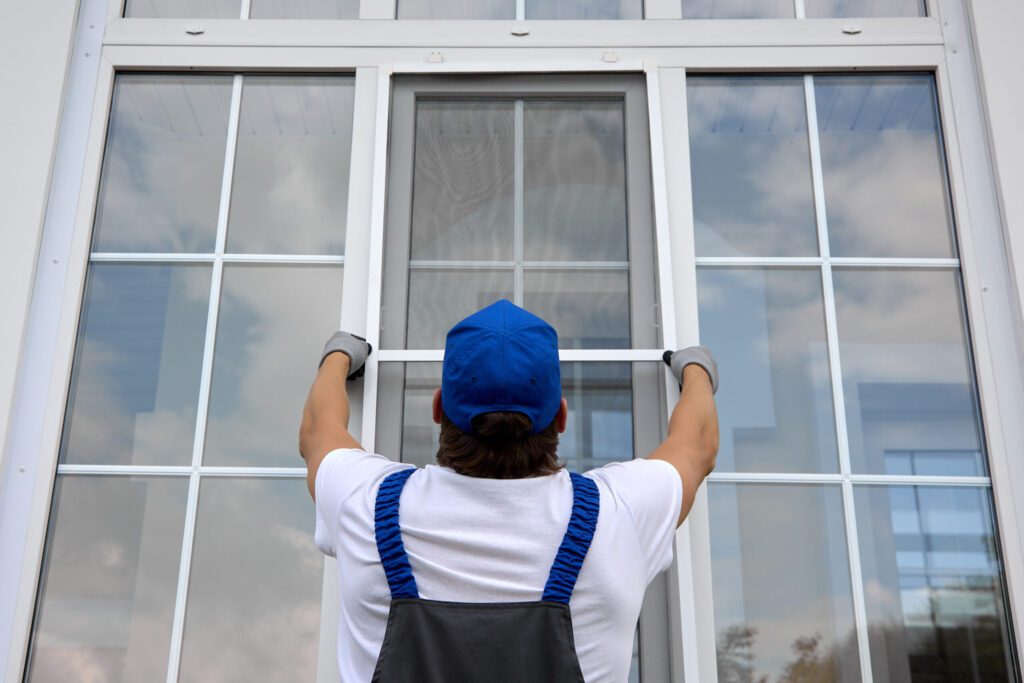
A home can feel colder than it should even when the heating is on, and older glazing is often one of the first places Glasgow homeowners look when they want to improve warmth, reduce noise and cut down on draughts through better double glazing in Glasgow.
Glasgow’s housing stock is diverse, and many properties were built long before modern glazing standards became common. Some homes still have older units that no longer seal properly, while others have single glazing, tired frames or condensation between the panes. These are all signs that replacement may be worth exploring.
Recognising When Glazing Needs Replacing
Not every window issue means the whole home needs immediate replacement. However, certain signs suggest that existing glazing is no longer performing well. These include persistent draughts, cold spots near windows, condensation trapped between panes, stiff openings, damaged seals, warped frames or visible gaps around the installation.
Condensation inside the glass unit is particularly important. It usually means the sealed unit has failed, allowing moisture to enter the gap between panes. Once that happens, the glazing cannot insulate as intended.
External noise can also be a clue. If traffic, neighbours or street activity feel unusually intrusive, better glazing may help improve the internal environment. This can be especially relevant in busier areas of Glasgow or homes near main roads.
Double Glazing Can Improve Daily Comfort
The biggest benefit of double glazing is often comfort. Rooms can feel warmer, less draughty and more stable in temperature. This matters in Glasgow homes where older windows may struggle during cold, wet or windy weather.
Better glazing can also make rooms more usable. A front room that once felt chilly in winter may become more comfortable for relaxing or working from home. Bedrooms can feel quieter and less exposed to outside conditions.
Energy efficiency is another important factor, although savings vary depending on the property, heating system, insulation and existing windows. Double glazing works best as part of a broader approach to home efficiency that may also include loft insulation, draught proofing and sensible heating controls.
Frame Choice Affects Performance And Appearance
The glazing unit is only one part of the system. Frames influence insulation, maintenance, strength and visual style. uPVC is widely used because it offers a practical balance of performance, affordability and low maintenance. It can suit many homes, particularly where a clean, simple finish is preferred.
Aluminium frames are often chosen for modern designs, larger glass areas and slimmer profiles. Timber may suit heritage-style properties, though it usually requires more care over time.
Colour is worth thinking about too. White frames remain common, but darker shades, woodgrain finishes or more contemporary colours can change the look of the property. The choice should suit the building, not just current taste.
Installation Quality Is Essential
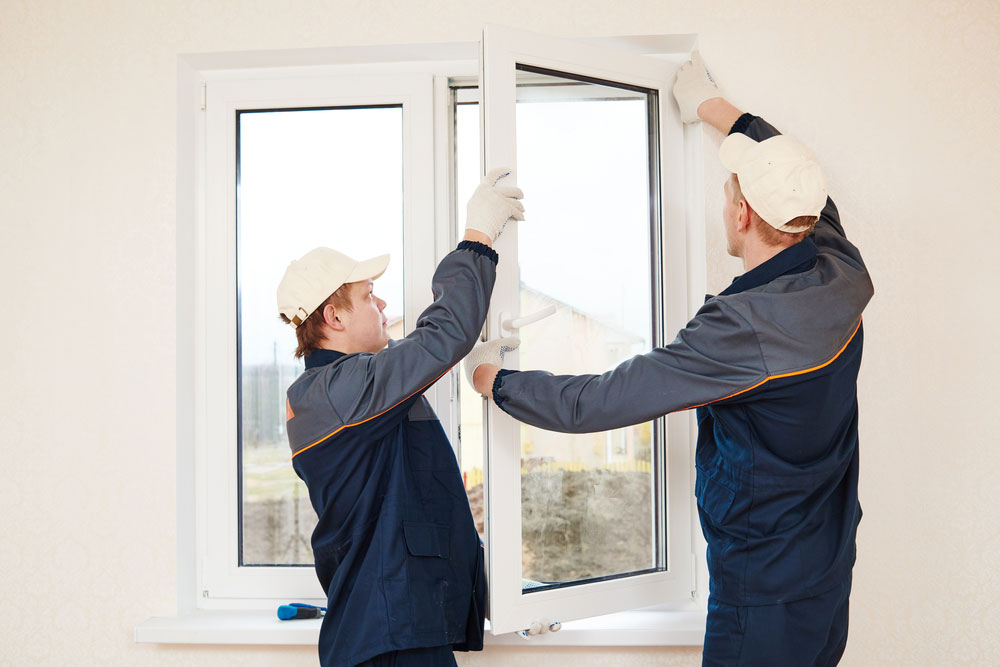
Good double glazing depends on proper installation. Even strong, efficient windows can underperform if they are measured badly, fitted poorly or sealed incorrectly. Problems such as draughts, leaks, uneven openings and premature wear often come back to the quality of the fitting.
A reliable installer should assess the property properly, explain the available options and provide clear information about the work involved. They should also consider finishing details such as trims, internal making good and how the installation will affect existing plasterwork, tiles or decoration.
Homeowners should be cautious of rushed sales tactics or vague guarantees. Windows are a long-term investment, so clear product information and workmanship standards matter.
Making A Decision That Fits The Home
The best glazing choice is not always the most expensive option or the most dramatic visual change. It is the option that fits the property’s age, style, location and practical needs.
A tenement flat, suburban semi and modern townhouse may each need a different approach. By thinking about comfort, appearance, ventilation, security and installation quality, homeowners can make a more confident decision.
Well-chosen double glazing should quietly improve the home. It should make rooms feel warmer, reduce everyday annoyances and fit naturally with the building’s character.