

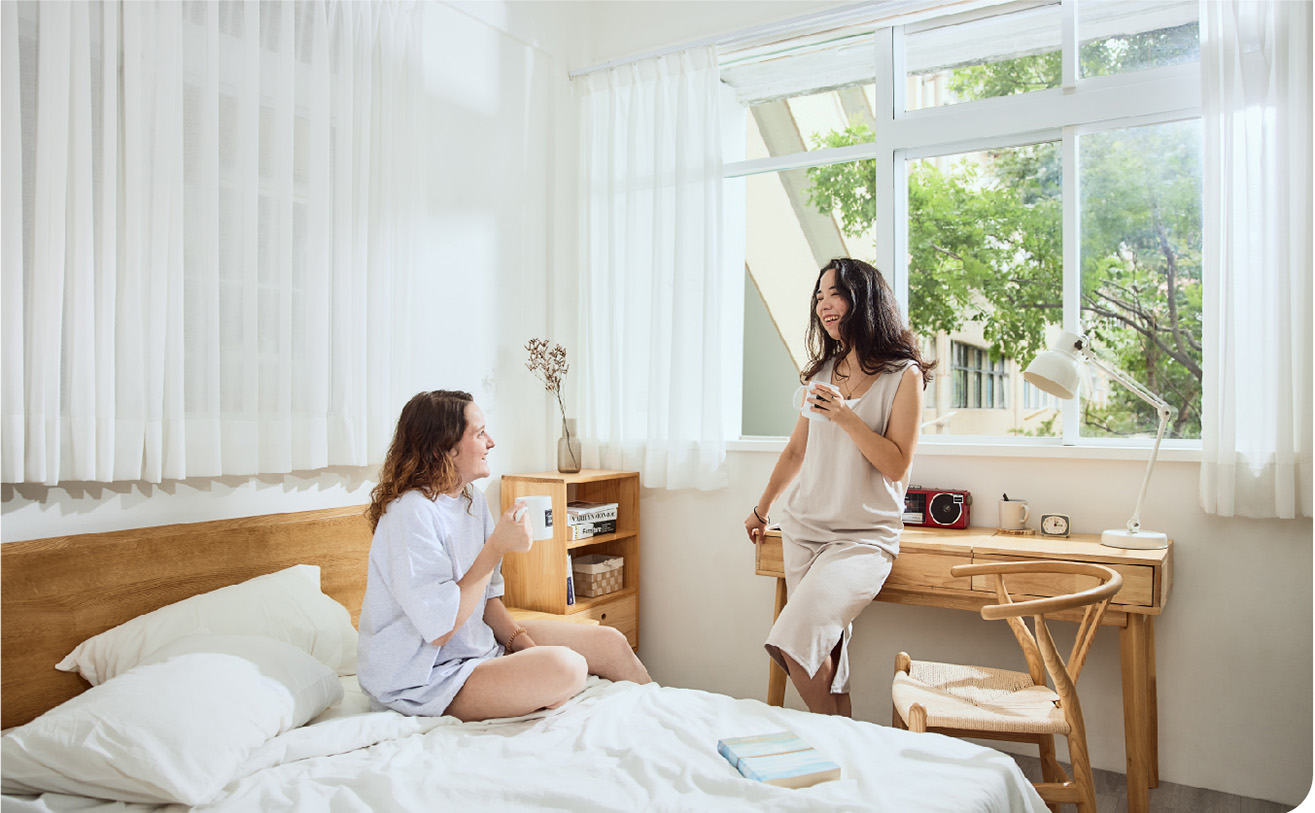
The landscape of modern housing is shifting rapidly. Economic factors, changing career paths, and a desire for social connection have driven a significant rise in co-living arrangements. Once associated primarily with college dormitories, shared housing is now a preferred lifestyle choice for young professionals, remote workers, and even retirees. Co-living offers a powerful solution to urban isolation and rising rent costs, but sharing a home with roommates requires more than just a rota for chores.
The true secret to long-term success in a shared home lies in the spatial layout and interior architecture. Poorly configured homes breed friction, resentment, and a lack of privacy. Conversely, a thoughtfully designed co-living environment balances community with autonomy. By applying deliberate spatial strategies, choosing the right furniture, and optimizing shared zones, you can create a harmonious household that actively supports the mental well-being and daily schedules of all its inhabitants.
Establishing the Balance Between Private and Communal Zones
The foundation of a successful co-living space is a clear visual and spatial separation between private quarters and shared areas. Human beings require varying degrees of socialization and solitude throughout the day. When these boundaries blur, domestic conflict is rarely far behind.
Maximizing the Autonomy of Private Bedrooms
A private bedroom in a shared house must function as a self-contained sanctuary. If a resident feels they can only relax when they are behind a closed door, that bedroom needs to meet a high standard of comfort.
-
Integrated Workstations: With the rise of remote work, bedrooms require compact, built-in desks positioned away from the bed to maintain a healthy work-rest psychological boundary.
-
Acoustic Insulation: Sound transmission is a leading cause of roommate frustration. Install heavy-core doors instead of standard hollow-core alternatives. Utilize thick area rugs, dense floor-to-ceiling drapery, and acoustic wall panels to absorb ambient noise.
-
Personal Storage Solutions: To keep personal belongings from spilling over into common hallways, bedrooms should maximize vertical storage with floor-to-ceiling wardrobes and under-bed storage drawers.
Designing inviting Communal Hubs
Communal spaces should be intentionally designed to encourage spontaneous social interaction without forcing it. The living room and dining room should feel neutral, spacious, and welcoming to all residents equally. Avoid arranging furniture in a way that prioritizes a single resident’s preferred viewing angle or daily routine. Instead, utilize open, circular seating arrangements that make conversation natural.
The Co-Living Kitchen: Optimizing Storage and Traffic Flow
The kitchen is almost always the highest-traffic zone in a shared home, making it a frequent flashpoint for domestic tension. Multiple adults attempting to prep independent meals at 7:00 PM requires a layout designed for high performance and strict organization.
Implementing Equal and Segregated Storage
Resentment often builds when one roommate’s groceries take over the refrigerator or pantry shelves. To combat this, divide all storage zones with absolute equality.
-
Pantry Allocation: Assign dedicated, labeled cabinets or slide-out baskets to each individual.
-
Refrigeration Zones: Utilize clear, plastic storage bins within the refrigerator, assigning a specific bin to each resident. If space permits, investing in a secondary under-counter beverage fridge can free up significant space in the main refrigerator.
-
Shared Staples Basket: Establish one centralized basket for shared ingredients like spices, cooking oils, and baking supplies to prevent unnecessary duplicate purchases that clutter the countertops.
Expanding the Prep Footprint
A standard single-basin sink and a small island can paralyze a shared kitchen during peak hours. If you are remodeling or updating a co-living property, prioritize a double-basin sink or, ideally, install a secondary small prep sink in an island. Opt for linear cooktops that allow two people to stand side-by-side safely. Ensure that small appliances, such as microwaves, coffee makers, and toasters, are placed in separate, dedicated stations away from the main stove and sink area to prevent foot-traffic bottlenecks.
Bathroom Strategy and High-Efficiency Fixtures
Having multiple people relying on the same bathroom facilities requires careful scheduling and high-utility design choices to keep morning routines running smoothly.
The Split-Bathroom Concept
If a home features only one primary bathroom for multiple bedrooms, a traditional layout where the toilet, shower, and sink are enclosed in a single room is highly inefficient. If structural remodeling is possible, transition to a split-bathroom layout. By separating the toilet into its own water closet and placing the sink and vanity outside the main shower room, three roommates can utilize different components of the bathroom simultaneously while maintaining complete privacy.
Vanity Optimization and Storage
When a split layout is not an option, focus on the vanity design. Install a wide vanity countertop with double sinks and separate mirrors. Provide individual, wall-mounted storage cabinets or rolling drawer carts for each roommate’s toiletries. This allows residents to easily transport their personal hygiene products back to their bedrooms after use, keeping the shared bathroom countertops clean, clear, and easy to sanitize.
Smart Furniture Choices for Adaptable Spaces
Furniture in a co-living environment must endure heavy use and remain adaptable to changing household dynamics. Avoid delicate, easily stained fabrics or overly rigid structural layouts.
Modular Modular Seating Systems
Fixed, oversized sectional sofas can restrict the layout options of a living room. Instead, opt for modular seating components that can be clipped together or separated easily. If the household expands or if roommates want more personal space during a movie night, the modules can be rearranged into individual armchairs or split into separate seating clusters.
Multi-Functional and High-Performance Textiles
Select furniture frames made of durable solid hardwoods or reinforced metals. For upholstery, prioritize commercial-grade performance fabrics that are explicitly stain-resistant, moisture-repellent, and easy to clean with basic soap and water. Microfibers, solution-dyed acrylics, and treated linens can withstand accidental spills, heavy wear, and pet activity without degrading visually.
Enhancing Organization and Common Spaces
Clutter destroys the visual calm of a home and increases psychological stress. In a shared home, clutter multiplies quickly unless dedicated organizational systems are integrated into the architecture.
The Entryway Drop Zone
The front door area can easily become buried under a mountain of shoes, coats, backpacks, and mail. To prevent this clutter from migrating into the main living areas, design a high-capacity entryway drop zone. Install an individual coat hook, a dedicated shoe cubby, and a small mail slot for every single resident. This establishes an immediate boundary, ensuring that outdoor dirt and personal gear are contained the moment someone steps inside.
Shared Digital and Physical Notice Boards
Clear communication is a structural pillar of successful co-living. Designate a central wall space in a hallway or kitchen for a clean, framed whiteboard or a digital smart screen. This area serves as the household communication hub where residents can track shared utility bills, log maintenance requests, note when guests are visiting, or leave positive messages for one another, replacing messy paper notes.
Frequently Asked Questions
How can roommates handle differing preferences for interior decor?
To avoid visual chaos, roommates should agree on a neutral, minimalist base style for the main communal areas, such as a crisp Scandinavian or modern industrial look. This keeps the shared spaces feeling cohesive and peaceful. Residents should then be given complete artistic freedom to decorate their private bedrooms according to their personal tastes, allowing them to express their individuality without impacting the shared aesthetic of the home.
What are the best ways to handle utility bills and shared expenses through design?
While design cannot directly pay bills, integrating smart home technology can make resource tracking entirely transparent. Installing a smart thermostat allows roommates to program energy-saving schedules that match the household’s actual occupancy patterns. Additionally, using individual smart plugs on heavy-use appliances can help track exact electricity consumption, ensuring that shared costs are divided fairly based on factual data rather than guesswork.
How do you manage laundry room logistics when multiple adults share the home?
Laundry bottlenecks can be minimized by utilizing a color-coded sorting bin system in the shared laundry area. Assign a specific day of the week to each roommate for priority access to the washing machine and dryer. To maximize efficiency, choose a stackable front-loading washer and dryer set to save precious floor space, and install a fold-down drying rack on the wall so wet items can dry without cluttering common hallways.
Can smart locks improve the security and experience of a co-living home?
Yes, smart locks are highly beneficial for shared houses. Instead of managing multiple physical keys that can be easily lost or duplicated, a smart lock allows the primary leaseholders to assign unique digital keycodes or smartphone access to each resident. This system makes it simple to track who enters the property, allows for easy access for maintenance crews, and permits codes to be deleted instantly when a roommate moves out, saving the cost of changing locks.
How do we address temperature arguments if one roommate is always hot and another is cold?
Temperature battles are incredibly common in shared homes. To solve this without constantly adjusting the main thermostat, utilize zoned climate solutions. Roommates who run cold can integrate heavy wool area rugs, thermal window curtains, and electric heated blankets into their bedrooms. Roommates who run hot can utilize low-profile ceiling fans or smart window fans that draw in cool night air, allowing each individual to customize their micro-climate.
What is the ideal ratio of bathrooms to residents for successful co-living?
While the absolute ideal layout is a one-to-one ratio where every bedroom features an attached en-suite bathroom, this is rarely possible in standard residential homes. For a comfortable and stress-free co-living experience, a ratio of one bathroom for every two residents is the recommended standard. If a home reaches a three-to-one ratio, implementing the split-bathroom concept or setting strict morning time limits becomes essential to prevent daily scheduling conflicts.