

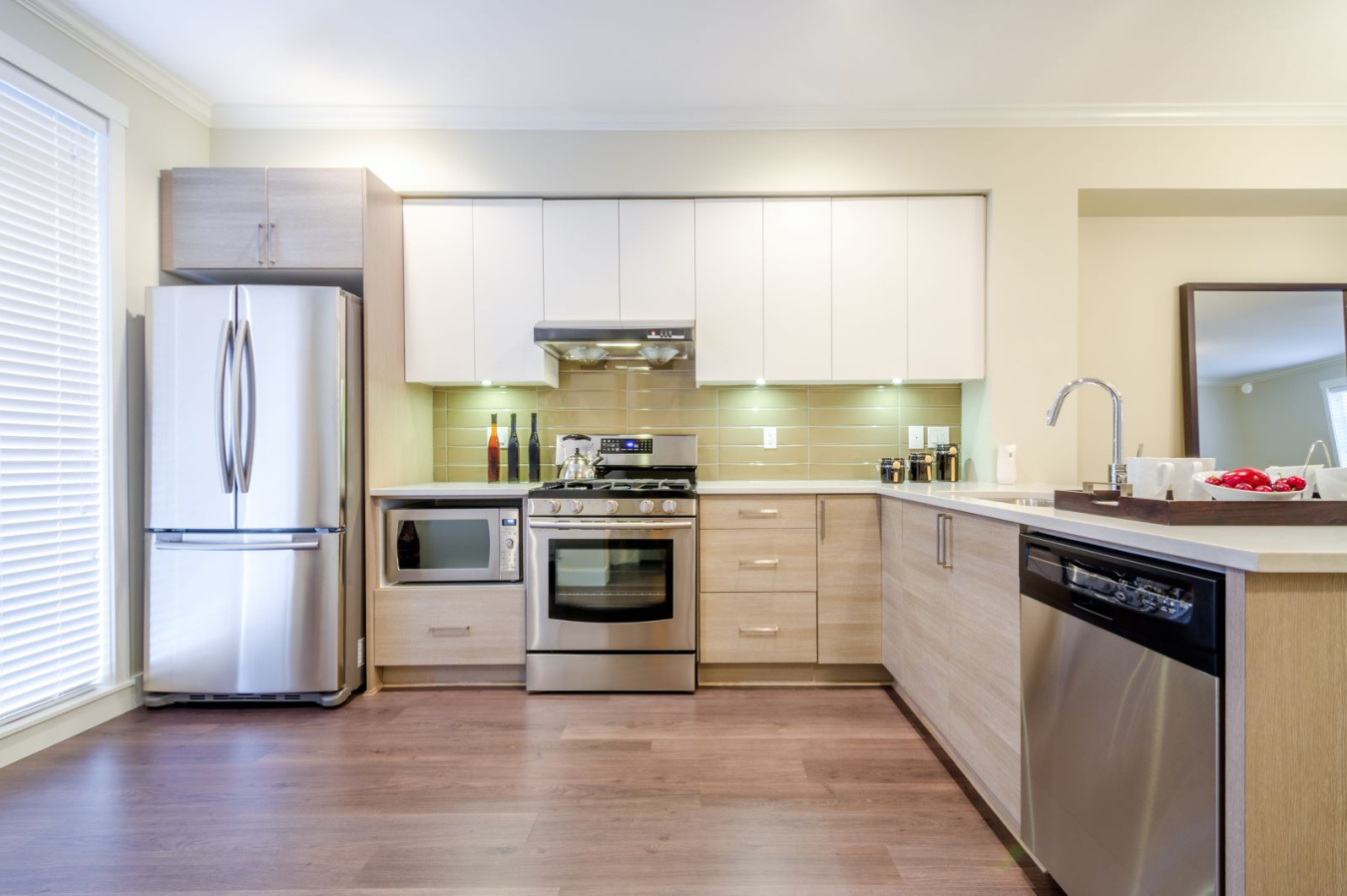
A kitchen remodel or upgrade is one of the most significant investments a homeowner can make. At the center of this transformation are the appliances. Far beyond mere utilitarian tools designed to heat or cool food, modern kitchen appliances are highly engineered systems that directly dictate your daily workflow, cooking precision, energy consumption, and long-term home value.
Selecting high-performance kitchen appliances requires shifting focus away from surface-level aesthetics and entry-level price points. Instead, a savvy homeowner must evaluate underlying mechanics, build quality, technological integration, and operational efficiency. Investing in high-tier performance ensures that your kitchen runs with commercial-grade reliability while providing a seamless, stress-free cooking experience.
The Cooktop Dilemma: Induction versus Professional Gas
The debate over the ideal heat source is a central pillar of kitchen design. While traditionalists have long favored open-flame gas setups, modern technological advancements have positioned induction as the premier choice for high-performance kitchens.
The Physics and Precision of Induction Cooking
Induction cooktops do not generate heat on their surface. Instead, they utilize high-frequency electromagnets to generate a magnetic field underneath a ceramic glass plate. When a ferrous metal pan, such as cast iron or magnetic stainless steel, is placed on the zone, the magnetic field penetrates the metal, inducing strong electric currents directly inside the cookware. The pan itself becomes the heating element.
This process provides unparalleled thermal efficiency. Conventional gas cooktops waste up to 60% of their heat energy as ambient heat escaping around the sides of the pan into your kitchen air. Induction cooktops deliver roughly 90% of their energy directly to the food. This translates to incredibly rapid boil times, instantaneous temperature adjustments, and a significantly cooler kitchen environment. Furthermore, because the glass surface stays relatively cool, spilled food cannot burn or bake onto the cooktop, allowing for effortless cleaning.
The Power and Versatility of Professional Gas
For homes where utility infrastructure or personal preference dictates gas, high-performance units offer commercial-grade capabilities optimized for home use. Professional-tier gas ranges feature heavy, dual-stacked brass burners. These specialized configurations allow a single burner to output an intense 20000 British Thermal Units for searing, while simultaneously possessing the ability to drop down to a steady, micro-level whisper of 300 British Thermal Units for melting chocolate without a double boiler. When selecting a gas unit, prioritize continuous, heavy-duty cast-iron grates that allow you to slide heavy stockpots between burners safely without lifting.
Refrigeration: Preserving Food Quality with Advanced Climate Systems
Standard refrigeration operates on a single compressor and a single evaporator mechanism. This basic configuration forces cold, dry air from the freezer compartment into the fresh food section to maintain cooling, which strips moisture away from fresh produce and leads to premature spoilage. High-performance refrigeration addresses this issue through mechanical separation.
Dual-Compressor and Dual-Evaporator Systems
Premium refrigeration units utilize independent cooling systems for the refrigerator and freezer compartments.
-
The Fresh Food Compartment: Employs its own dedicated compressor and evaporator to maintain cool, high-humidity air. This optimal humidity prevents delicate leafy greens, vegetables, and cheeses from drying out, effectively extending their shelf life.
-
The Freezer Compartment: Utilizes a completely separate system to circulate bone-dry, sub-zero air. This total isolation prevents odor transfer between compartments and eliminates the frost formation responsible for freezer burn on meats and frozen goods.
Column and Integrated Configuration
High-performance kitchens are moving away from traditional freestanding French-door configurations in favor of modular refrigeration columns. Column refrigeration allows you to decouple the refrigerator and freezer units entirely, placing a 30-inch fresh food column exactly where you prepare meals and a separate 24-inch freezer column in a pantry or less active zone of the kitchen. When paired with panel-ready cabinetry integration, these columns install completely flush with your surrounding woodwork, hiding the appliance lines for a sleek architectural finish.
Ovens and Baking: The Power of Convection and Steam
Baking and roasting require absolute thermal uniformity. Standard ovens suffer from hot and cold spots, forcing cooks to constantly rotate baking sheets halfway through a cycle to prevent uneven browning. High-performance ovens eliminate this variables through advanced air distribution.
True European Convection
When shopping for high-performance wall ovens or ranges, verify that the unit features true convection, also known as European convection. Standard convection simply places a fan inside the oven cavity to circulate existing air. True convection adds a dedicated heating element directly behind the fan housing. This configuration ensures that the air being blown throughout the oven cavity is heated to the exact target temperature before it makes contact with your food. This results in faster cooking times, beautifully crisp exterior crusts on meats, and perfectly uniform baking across multiple racks simultaneously.
The Rise of Combi-Steam Technology
Steam ovens were once reserved exclusively for high-end commercial kitchens, but they are now a staple of high-performance residential design. Combination steam ovens allow you to cook using pure convection, pure steam, or a precise percentage mixture of both. Introducing steam into the baking process keeps food incredibly juicy on the inside, prevents moisture loss in delicate proteins like fish, and gelatinizes starches on the surface of bread dough to create professional, bakery-quality crusts.
Dishwashers: Advanced Hydraulics and Silent Operation
A high-performance dishwasher should thoroughly sanitize and dry your dishes on the first attempt without requiring you to pre-rinse dishes in the sink. It must accomplish this while operating so quietly that you cannot tell it is running without looking at an indicator light.
Decibel Ratings and Sound Insulation
The volume of a dishwasher is measured in decibels. Entry-level units frequently operate at 50 decibels or higher, which can easily disrupt conversation in an open-concept home. High-performance dishwashers feature thick stainless steel interior tubs, heavy bitumen sound-dampening insulation blankets, and variable-speed brushless motors that drop operating volumes down to between 38 and 42 decibels. At this level, the appliance is virtually silent.
Active Drying Systems
Standard dishwashers rely on passive condensation drying, where hot water from the final rinse cycle naturally condenses on the cooler stainless steel walls of the tub. This often leaves plastic items and glassware damp. High-performance models introduce active drying technologies, such as built-in heating elements that warm clean air, fans that actively circulate air out of the tub, or natural zeolite mineral chambers. Zeolite minerals naturally generate heat when exposed to moisture, absorbing water vapor and releasing intense thermal energy back into the drum to bone-dry every dish without consuming excess electricity.
Ventilation: Protecting Air Quality and Cabinetry
The importance of a high-performance ventilation hood cannot be overstated, particularly if you select a professional gas cooktop or enjoy high-heat searing and stir-frying. Cooking releases substantial volumes of airborne grease, smoke, carbon monoxide, and moisture that can settle on your cabinetry, discolor paint, and compromise indoor air quality.
Calculating Blower Capacity and Sizing
A ventilation system’s capacity is measured in Cubic Feet per Minute. For gas cooktops, the general rule is to provide 100 Cubic Feet per Minute of ventilation performance for every 10000 Total British Thermal Units of cooktop output. For induction cooktops, a minimum of 400 to 600 Cubic Feet per Minute is recommended to manage the intense steam generated by rapid boiling. Ensure that the width of the hood extends at least three inches past the left and right edges of your cooktop surface to create a proper capture zone for rising smoke and grease plum.
Commercial-Grade Baffle Filters
Avoid aluminum mesh filters, which clog quickly and restrict airflow. High-performance range hoods utilize stainless steel baffle filters. These filters force grease-laden air to change direction rapidly as it passes through a series of interlocking metal curves. The heavy grease drops out of the air stream and collects safely inside a removable, dishwasher-safe steel tray, keeping your ductwork clean and minimizing fire hazards.
Frequently Asked Questions
What is the lifespan expectation of a high-performance luxury appliance?
While standard builder-grade appliances are typically engineered to last between 7 and 10 years, professional, high-performance appliances are built using premium components designed to operate reliably for 15 to 20 years or more. Brands that specialize in high-performance equipment prioritize heavy-gauge steel, brass fittings, and thoroughly tested electronics, making their upfront premium highly cost-effective when calculated over the lifecycle of ownership.
Does induction cooking pose any safety concerns for individuals with pacemakers?
Induction cooktops generate low-frequency electromagnetic fields. While these fields are highly localized and dissipate almost entirely within a few inches of the cooktop surface, major manufacturers recommend that individuals with pacemakers or insulin pumps consult with their cardiologist or medical device manufacturer before operating an induction unit. For maximum safety, using non-magnetic utensils and keeping a distance of six inches from an active cooktop eliminates any potential risk of interference.
What electrical infrastructure upgrades are required for an induction cooktop?
Upgrading from a traditional gas cooktop to a high-performance induction unit usually requires installing a dedicated electrical circuit. Most standard induction cooktops require a 240-volt electrical supply hooked up to a 40-amp or 50-amp circuit breaker to handle the intense power demands of operating multiple zones at maximum capacity simultaneously. Always have a licensed electrician verify your home’s main electrical panel capacity before purchase.
Can a combination steam oven fully replace a standard wall oven?
Yes, a full-sized combination steam oven can absolutely serve as your primary cooking appliance. Because it features standard convection elements alongside steam capabilities, it can perform every function of a traditional oven, including broiling, roasting, and baking, while adding the unique benefits of humidity control. However, many avid cooks choose to install a combi-steam oven alongside a traditional larger wall oven to maximize total cooking capacity during holiday entertaining.
Why do some premium dishwashers lack a heated drying element at the bottom?
Many high-performance dishwashers choose to omit exposed calrod heating elements at the bottom of the tub to protect delicate items. An exposed heating element can easily melt plastic storage containers on the lower rack and can bake food debris onto dropped utensils. Instead, these premium models utilize closed hidden water heaters and advanced fan-assisted or zeolite drying systems that dry dishes safely and efficiently without risking thermal damage to your dinnerware.
What is a make-up air system, and do I need one for my range hood?
A make-up air system is an auxiliary ventilation component that pulls fresh outdoor air into your home to replace the indoor air being exhausted outside by a powerful range hood. In many residential building codes, if you install a range hood with a blower capacity exceeding 400 Cubic Feet per Minute, a make-up air system is legally required. This system prevents dangerous back-drafting, a scenario where a powerful hood creates negative pressure inside a tightly sealed modern home, accidentally pulling toxic exhaust fumes from gas water heaters or fireplaces down through the chimney and into your living space.