

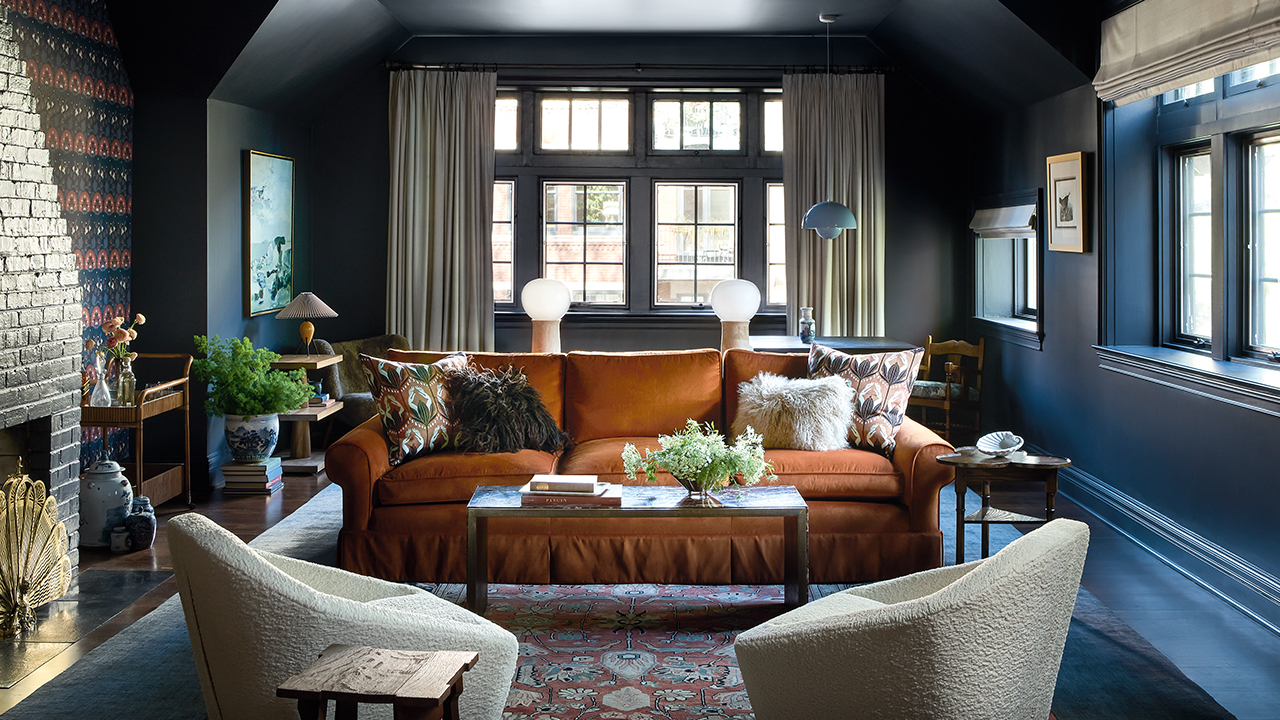
Interior design has shifted away from the clinical look of all-white minimalism toward spaces that evoke deep emotion and personal expression. A dark and moody design style is the ultimate expression of this shift. When executed correctly, a saturated, shadow-filled room does not feel small or depressing. Instead, it feels intimate, luxurious, and intensely dramatic.
Designing a moody space requires a thoughtful balance of color theory, lighting design, and material contrast. Without a clear strategy, a dark room can quickly cross the line from sophisticated to cave-like. The following steps will help you master the art of high-drama interior design.
Commit to the Color Palette
The foundation of any moody room is its color story. Many homeowners make the mistake of painting a single accent wall dark while leaving the remaining walls bright white. This creates a jarring contrast that shrinks the space visually and disrupts the flow of the room. True drama requires full commitment.
When selecting paint, look beyond standard black. Consider deep, complex hues that change character under different lighting conditions. Excellent foundational colors include:
-
Deep Charcoal and Obsidian: These shades provide a crisp, modern backdrop that allows colorful furniture and metallic accents to pop.
-
Midnight Blue and Indigo: These tones offer a regal, classic feel that pairs exceptionally well with warm wood tones and brass hardware.
-
Forest Green and Emerald: Bringing an organic yet somber quality, these shades look stunning when combined with leather and stone elements.
-
Burgundy and Plum: These rich, wine-inspired colors bring immediate warmth and an undeniable sense of romance to bedrooms and dining spaces.
To maximize the impact, employ a technique known as color drenching. This involves painting the walls, baseboards, crown molding, window trim, and even the ceiling in the exact same color. Using a single hue erases the visual boundaries of the room, which makes the ceiling feel higher and the walls feel more expansive. For the walls, opt for a flat or matte finish to absorb light and create a soft, velvety texture. Use a satin or semi-gloss finish on the trim to provide a subtle, elegant sheen.
Layer Luxuriously with High-Contrast Textures
When your color palette is monochromatic or deeply saturated, a lack of textural variety will make the room feel flat and uninviting. Texture acts as visual weight in a dark room. It catches the light in unique ways, creating micro-shadows that add depth to your design.
To build an impactful sensory experience, layer a mix of the following materials:
-
Velvet and Mohair: These plush fabrics absorb light and exhibit deep color variations depending on the angle of the pile. A velvet sofa or accent chair serves as an excellent focal point.
-
Leather and Suede: Aged leather brings a rugged, lived-in contrast to soft textiles. Its reflective sheen breaks up matte paint surfaces.
-
Bouclé and Heavy Linen: The tactile, looped nature of bouclé or the coarse weave of linen adds raw, organic texture that keeps a dark room grounded.
-
Polished Stone and Concrete: Incorporate marble, travertine, or concrete through coffee tables, side tables, or fireplace surrounds. The hard, cool surfaces contrast beautifully against heavy drapes and upholstered furniture.
Window treatments are another critical area for introducing texture. Install floor-to-ceiling drapery panels in heavyweight fabrics like velvet or thick jacquard. Hang the curtain rod as close to the ceiling as possible to draw the eye upward and accentuate the vertical scale of the room.
Master the Art of Shadow and Light
Lighting is the element that either makes or breaks a moody interior. In a bright, minimalist room, the goal is often to flood the space with uniform light. In a dark and dramatic room, the goal is to cultivate pools of warm illumination while letting the corners sink into soft shadow.
Steer clear of bright, central flush-mount ceiling lights or rows of recessed spotlights, which wash out the atmosphere and make the paint look muddy. Instead, focus on layered, low-level ambient lighting.
Start by sourcing light fixtures with warm color temperatures, ideally between 2200K and 2700K. This mimics the cozy, golden glow of candlelight. Distribute your light sources at varying heights throughout the space. Use sleek floor lamps to cast light upward, table lamps with opaque or black shades to direct light downward, and hardwired wall sconces to wash the walls with a soft glow.
Incorporate dimmers on every single switch so you can control the intensity of the light throughout the day. Finally, do not underestimate the power of natural fire. A working fireplace or an arrangement of thick pillar candles on a stone tray provides the flickering, dynamic light necessary to activate a dramatic space at night.
Select Furniture with Heavy Visual Weight
A moody room demands furniture that can hold its own against deeply saturated backdrops. Delicate, spindly furniture can easily get lost in the shadows. Look for pieces that possess strong silhouettes, clean lines, or ornate detailing.
Dark, rich wood species like walnut, ebony, and stained oak blend seamlessly into the environment, creating an understated luxury. If you prefer to contrast your dark walls, choose statement furniture in contrasting tones like camel leather, burnt orange velvet, or mustard yellow wool.
Incorporate metallic accents to act as jewelry for the room. Aged brass, antique bronze, and brushed copper reflect light beautifully without looking overly sterile. Apply these metals through light fixtures, cabinet hardware, picture frames, and the legs of accent furniture.
Curate Large-Scale Art and Decor
The final layer of a drama-filled room involves curation. A dark space can quickly look cluttered if it is filled with too many small trinkets. Instead, adopt a minimalist approach to your maximalist color palette by choosing a few oversized, high-impact decor pieces.
Hang a large-scale oil painting or a moody portrait featuring an antiqued gold frame as your primary wall art. The contrast between the dark canvas, the shimmering frame, and the matte wall creates an instant gallery-like experience. When selecting accessories for bookshelves or mantelpieces, prioritize structural ceramics, matte black vases, and raw mineral specimens like quartz or pyrite.
Mirrors are also an invaluable tool in moody design. Placing a large, antiqued mirror opposite a window or a light fixture will catch and bounce light across the room without diminishing the rich, mysterious vibe you have worked to create.
Frequently Asked Questions
Can a small room with very little natural light still be painted a dark color?
Yes, small rooms with minimal natural light are actually the absolute best candidates for a dark color palette. Trying to paint a dark, windowless room white often results in a dull, gray appearance because there is no natural light to bounce around. By embracing the darkness and painting the space a rich, deep hue, you lean into its inherent architectural qualities, turning a cramped room into an intentional, cozy, and sophisticated jewel box.
How do I prevent a dark and moody bedroom from feeling too depressing?
The key to keeping a dark bedroom inviting rather than somber is introducing plenty of warmth through textiles and lighting. Use crisp, high-quality bedding in contrasting tones like cream, taupe, or rich caramel to break up the dark walls. Additionally, maximize wood tones in your flooring or furniture, and ensure your lighting is exceptionally warm to establish a sanctuary-like atmosphere.
What color flooring works best in a dramatic, dark interior?
Both light and dark flooring can work beautifully, depending on the specific mood you want to create. Dark hardwood or deep slate tiles create an ultra-moody, fully immersive environment where the floor blends into the walls. Conversely, light oak floors, natural herringbone patterns, or a large cream-colored vintage rug will provide a stunning ground contrast that keeps the room from feeling overwhelmingly heavy.
Will dark paint make my ceiling feel lower?
If you paint your walls a dark color but leave your ceiling a stark, bright white, it will create a harsh horizontal line that visually chops the room in half and makes the ceiling feel lower. However, if you apply the color drenching technique and paint the ceiling the exact same dark color as the walls, the boundaries disappear completely. Because the human eye cannot easily discern where the wall ends and the ceiling begins, the ceiling actually feels higher.
How do I clean and maintain matte finish dark walls?
Matte and flat finishes are prone to showing scuffs, fingerprints, and burnishing if rubbed too hard. To maintain them, always use high-quality, washable acrylic paint formulations when initially painting the room. For regular cleaning, dust the walls lightly with a microfiber cloth. If a smudge occurs, wipe it gently using a damp soft sponge with a minimal amount of mild dish soap, avoiding aggressive scrubbing.
What kind of houseplants thrive or look best in a moody room?
Plants with deep green, variegated, or structural leaves contrast beautifully against dark walls. Species like the Fiddle Leaf Fig, Rubber Tree, or Snake Plant offer architectural lines and a glossy finish that catches accent lighting. If the room has very low light, opt for shade-tolerant plants like the ZZ Plant, Cast Iron Plant, or lush ferns, which easily tolerate dimmer environments while maintaining their rich coloration.