

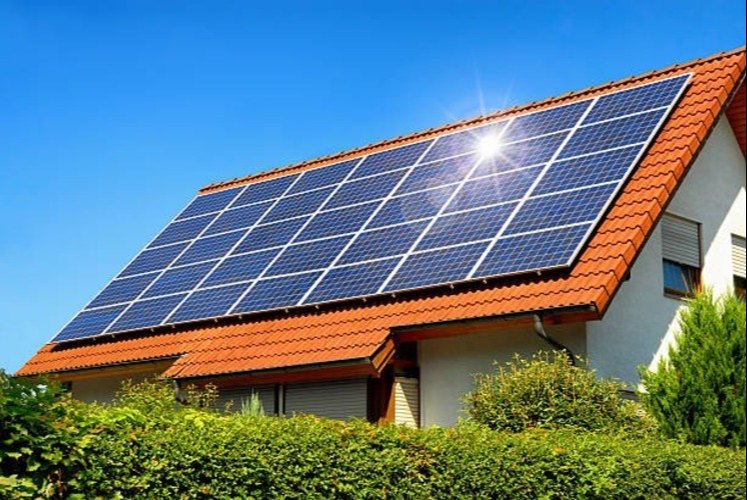
For many homeowners and business owners in Thailand, the monthly electricity bill is a significant and often rising expense. With the country’s abundant sunshine throughout the year, switching to solar power is becoming a logical choice rather than just an eco-friendly trend. By generating your own electricity, you reduce reliance on the national grid, which directly translates to lower utility payments.
The process begins with understanding how photovoltaic (PV) systems work. These systems capture sunlight and convert it into usable electricity for your home or office. While the initial setup requires an investment, the long-term returns are substantial. A professional solar panel installation ensures that your system is positioned correctly to capture maximum sunlight, even during the rainy season, maximizing your energy production capabilities from day one.
In Thailand, air conditioning is a necessity, not a luxury. Cooling systems are often the biggest consumers of electricity in any building. Solar rooftops are particularly effective here because they generate peak power during the hottest parts of the day, exactly when air conditioners are working their hardest. This synchronicity means you are using free solar energy to power your most expensive appliances, drastically cutting down the amount of electricity you need to buy from the grid during peak hours.
Beyond immediate bill reduction, there is the potential benefit of net metering. Although policies can change, the general principle allows producers to sell excess electricity back to the grid. If your system generates more power than you consume during a sunny afternoon, that surplus doesn’t go to waste. Instead, it can earn you credits or direct payments, further offsetting your costs. This turns your roof from a passive structure into an active asset that works for your wallet.
Maintenance costs for these systems are generally low, adding to the financial appeal. Once installed, panels require little more than occasional cleaning to remove dust and debris, which is essential in urban areas like Bangkok or Chiang Mai where pollution can settle on surfaces. Most systems are built to last for 25 years or more, providing decades of reduced energy expenses. When you calculate the cumulative savings over this lifespan, the return on investment becomes clear.
Another financial angle to consider is property value. Buildings equipped with renewable energy systems are increasingly attractive to buyers. Future owners appreciate the prospect of lower running costs, making your property more competitive in the real estate market. It signals that the building is modern and efficient, qualities that are highly prioritized today.
Taking advantage of Thailand’s tropical climate to lower overheads is a smart financial move. As technology improves and becomes more accessible, the barrier to entry lowers, allowing more people to benefit. By shifting a portion of your energy consumption to a source that is free and endlessly renewable, you protect yourself against fluctuating electricity prices and secure a more predictable financial future.