

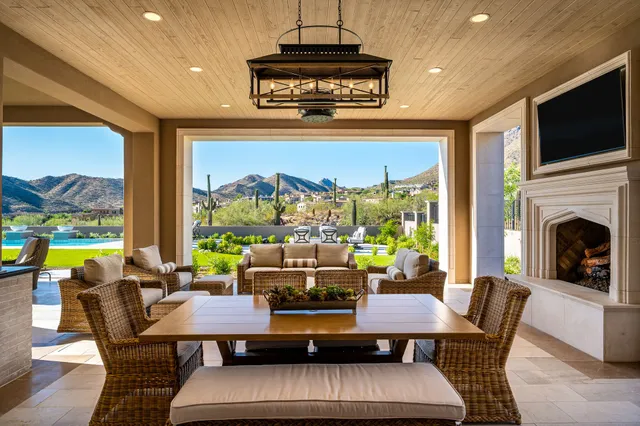
The boundaries of modern residential design are expanding, moving away from rigid compartmentalization toward fluid, unified environments. Homeowners increasingly view their backyards, patios, and decks not as separate appendages to a house, but as natural extensions of their primary living areas. Blending the indoors with the outdoors maximizes usable square footage, improves natural light, and fosters a deeper connection to nature.
Creating a truly seamless transition requires a holistic approach to architecture, interior design, and landscaping. When executed correctly, the boundary between the interior structure and the exterior landscape blurs, creating an expansive space that feels cohesive and harmonious.
Unified Flooring and Material Selection
The floor is the most impactful visual canvas when attempting to link two distinct zones. A sudden shift in color, texture, or material height immediately signals to the brain that you have crossed a threshold, breaking the illusion of continuity.
Continuous Flooring Material
To create an unbroken visual line, choose a flooring material that performs exceptionally well both inside and outside.
-
Porcelain Tile: Large-format porcelain tiles are an outstanding choice. Manufacturers often produce the exact same tile design in two different finishes: a smooth texture for indoor use and a slip-resistant, textured surface for outdoor areas.
-
Natural Stone: Materials like travertine, slate, and limestone offer timeless continuity. Ensure the outdoor stone is properly sealed to withstand weathering while maintaining a color match with the interior.
-
Polished Concrete: Extending a concrete slab from an interior living space directly onto a patio floor creates a sleek, industrial, and completely level transition.
Flush Thresholds and Levelling
Traditional architectural layouts feature a distinct step down from the house to the yard to prevent water ingress. Modern construction overcomes this by utilizing flush thresholds. By aligning the interior floor height perfectly with the exterior deck or patio surface and installing a hidden, high-capacity drainage trench directly beneath the door track, you remove physical tripping hazards and visual interruptions.
Strategic Use of Large Architectural Glazing
Windows and doors act as the primary physical and visual portal between the home and the landscape. Minimizing the visible framework of these portals is critical to achieving a seamless flow.
Bi-Fold and Multi-Slide Multi-Panel Doors
Standard swinging doors or small sliding doors chop up the view and restrict physical movement. Replacing traditional rear walls with multi-slide or bi-fold glass door systems completely transforms a home. Multi-slide doors feature large glass panels that stack neatly on top of one another or tuck into a hidden wall pocket when opened. Bi-fold systems fold accordion-style against the edge of the opening, providing a completely unobstructed passageway that can span across entire rooms.
Fixed Picture Windows and Frameless Corners
Even when the weather does not permit opening the doors, visual continuity should remain intact. Large, fixed picture windows strip away distracting mullions and frames. For homes with panoramic views, structural frameless glass corners eliminate corner posts, pulling the outdoor scenery directly into the living room or dining room.
Harmonizing Color Palettes and Furniture Styles
A common misstep is decorating the interior of a home in one specific style, such as mid-century modern, while purchasing rustic or highly traditional wicker furniture for the patio. To achieve flow, the design language must remain consistent across both spaces.
Shared Color Schemes
Borrow colors directly from the surrounding outdoor landscape to build your interior palette, and vice versa. If your backyard features deep green foliage, rich soil tones, and stone retaining walls, introduce forest green accents, warm terracotta tones, and charcoal gray textiles into your indoor living area. On the patio, use throw pillows, rugs, and decorative accessories that mimic the dominant accent colors found in your indoor upholstery.
Consistent Furniture Design
Select outdoor furniture that mirrors the silhouettes, proportions, and design styles of your indoor pieces. Many contemporary furniture manufacturers now produce outdoor collections that look indistinguishable from luxury indoor furniture. Look for outdoor sofas with sleek, clean lines, slim metal frames, and high-performance, weather-resistant fabrics like solution-dyed acrylics that offer a soft, interior-grade texture.
Lighting Integration and Cohesive Illumination
The illusion of a seamless indoor-outdoor flow often collapses the moment the sun sets. If the interior is brightly illuminated while the backyard is completely dark, the windows turn into black, reflective mirrors, isolating the inside of the home.
Layered Outdoor Ambient Lighting
To prevent the window mirror effect, extend your lighting plan past the glass barrier. Illuminate key focal points in the yard, such as a beautiful tree canopy, a stone wall, or a water feature, using low-voltage uplighting. This draws the eye deep into the landscape at night, maintaining the perceived depth of the room.
Matching Fixture Styles and Temperatures
Ensure the color temperature of your light bulbs is consistent. Mixing crisp, cool white light indoors with warm, golden tones outdoors creates an jarring contrast. Aim for a uniform, warm color temperature between 2700K and 3000K across both environments. Additionally, use similar styles of light fixtures, such as matching recessed downlights in both the kitchen ceiling and the patio overhang.
Creating Functional Parallel Zones
A seamless transition works best when the outdoor space serves as a direct functional counterpart to the indoor space it borders.
The Indoor-Outdoor Kitchen Alignment
Placing an outdoor kitchen or barbecue station directly adjacent to the main indoor kitchen makes entertaining effortless. You can enhance this setup by installing a pass-through window with a wide stone counter that spans both sides of the wall. This allows food and drinks to be transferred seamlessly from the indoor preparation zone to outdoor guests seated at the counter bar stools.
Extended Living Rooms and Lounges
Position your primary indoor seating arrangement so that it faces the outdoor patio layout. When the glass doors slide away, the two separate seating clusters merge into a massive, cohesive lounge area capable of hosting large gatherings without anyone feeling isolated from the main group.
Landscaping and Structural Enclosures
The physical structure of the outdoor space determines how comfortable and enclosed it feels. To truly feel like an extension of the home, the outdoor area needs clear boundaries and weather protection.
Architectural Overhangs and Pavilions
Extending the roof line of the house over the patio creates a sense of architectural continuity. This permanent ceiling structure provides essential shade and shelter from inclement weather, making the outdoor space usable for more months out of the year. If an architectural extension is not structurally feasible, custom pergolas, louvred roof systems, or sleek fabric pavilions can establish a similar sense of enclosure.
Softening Boundaries with Plant Material
Use plant material strategically to blur the physical perimeter walls of the property. Planting lush green hedges, bamboo screens, or climbing vines along fences creates a soft, living wall that draws the eye upward. Bring a touch of the landscape indoors by placing large structural potted plants, like fiddle-leaf figs or tree ferns, directly next to the glass doors, matching the plant species thriving just outside on the patio.
Frequently Asked Questions
How do you handle pest control when keeping large glass doors open?
To enjoy a seamless transition without allowing insects inside, you can install heavy-duty motorized insect screens. These screens are built directly into the architectural door framing and roll down seamlessly at the touch of a button when the glass panels are fully retracted. Alternatively, large pleated or magnetic screen systems offer an effective, low-profile barrier that opens and closes smoothly alongside the doors.
Will installing large glass walls decrease the energy efficiency of my home?
Not if you select the correct glass specifications. Modern multi-panel door systems utilize advanced thermal-break technology within their aluminum frames to prevent heat transfer. Additionally, opting for double or triple-pane insulated glass with low-emissivity coatings helps reflect heat, keeping your home cool in the summer and warm in the winter without overloading your heating and cooling systems.
How do you maintain privacy when using expansive glass walls facing the yard?
Privacy can be maintained through strategic landscaping and automated window treatments. Planting dense, fast-growing privacy hedges or installing architectural timber slats along the property line blocks external views without ruining your outlook. For interior control, you can install recessed motorized roller shades or drapes that hide completely inside a ceiling cavity when open, allowing for total exposure during the day and complete privacy at night.
What are the best ways to heat an outdoor space during colder months?
To keep the transition comfortable during the winter, integrate built-in heating elements into the outdoor living zone. Infratech or radiant electric heaters mounted discreetly into the patio ceiling provide clean, targeted warmth. Adding a custom gas fire table or a structural stone fireplace creates a cozy, inviting focal point that visually draws people out of the house even when temperatures drop.
How do you protect indoor-looking outdoor furniture from sun damage and rain?
The secret lies in specifying high-performance, marine-grade materials. Select outdoor furniture wrapped in solution-dyed acrylic fabrics, which are highly resistant to UV fading, water, and mold. Ensure the cushions use quick-drying reticulated foam that allows water to drain rapidly rather than trapping it. For underlying structures, look for powder-coated aluminum, stainless steel, or premium grade plantation-grown teak.
Can this design concept be applied to a home with a small budget?
Yes. If heavy architectural remodeling like installing multi-slide doors is out of your budget, you can still achieve excellent visual flow through simple decorative changes. Painting a accent wall on your patio the exact same color as your interior living room wall creates an immediate connection. Arranging your indoor furniture to face outward toward the yard, using matching indoor and outdoor area rugs, and grouping similar potted plants on both sides of a standard glass door will instantly pull the two spaces together.