

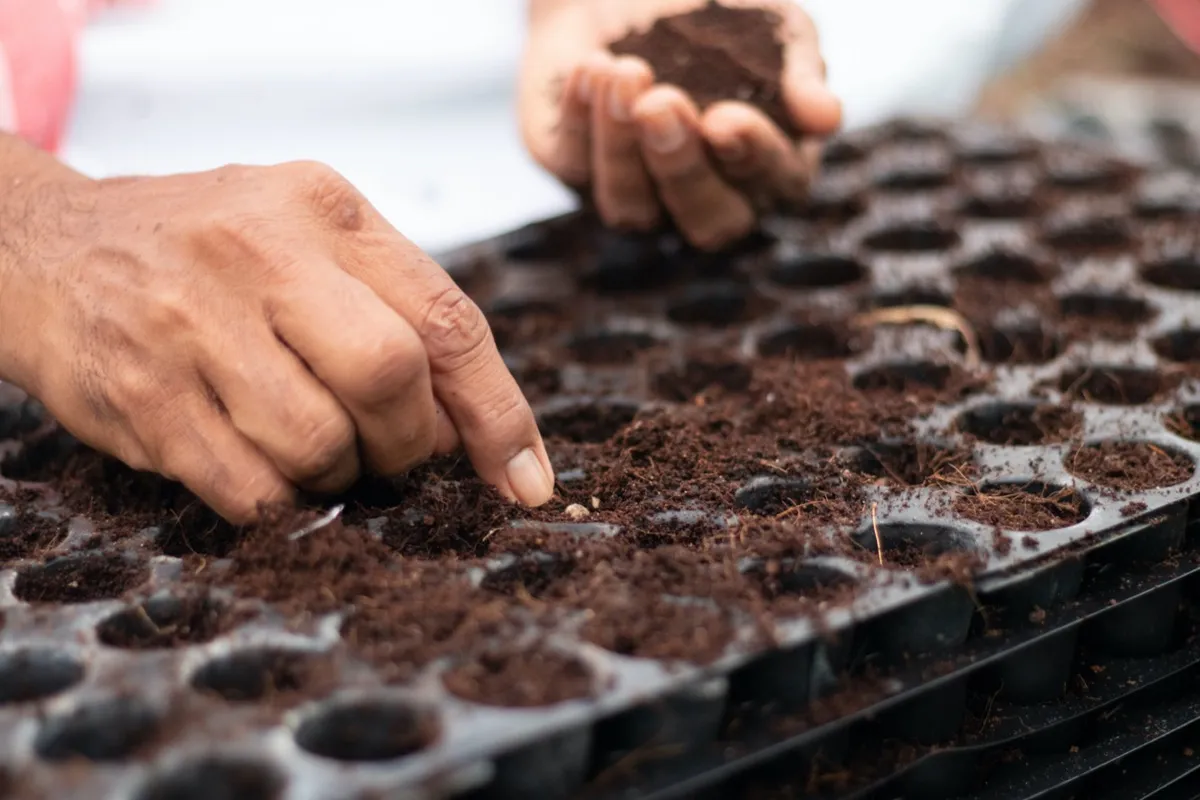
Growing your own plants from seeds is one of the most rewarding aspects of gardening. It opens up a vast world of plant varieties that are rarely found as pre-grown starts at local nurseries. Starting seeds indoors gives you a significant head start on the growing season, allowing you to harvest tomatoes, peppers, and flowers weeks earlier than if you had waited to sow the seeds directly into the outdoor soil.
Despite the clear advantages, many beginners struggle during their first few attempts. Seedlings can easily become weak and spindly, succumb to fungal diseases, or fail to germinate entirely. Success does not require a commercial greenhouse, but it does require an understanding of how light, moisture, temperature, and soil chemistry interact to support a vulnerable young plant. By mastering a few core botanical principles, you can consistently produce robust, healthy transplants ready to thrive in your garden.
Gathering Essential Tools and Materials
Before planting a single seed, you must gather the proper supplies. Using the wrong materials, such as heavy garden soil or insufficient lighting, is the primary cause of indoor seed-starting failures.
Specialized Seed-Starting Mix
Never use dirt from your backyard or standard potting soil to start seeds. Outdoor soil contains clay and silt that compacts tightly in small containers, suffocating delicate new roots. It also harbors weed seeds, pest larvae, and fungal pathogens. Standard potting soil is often too coarse and contains high concentrations of fertilizer that can chemically burn tender young seedlings.
Instead, purchase a specialized, sterile seed-starting mix. This medium is typically completely soil-less, consisting of a lightweight, porous blend of peat moss, coco coir, perlite, and vermiculite. This unique combination retains just enough moisture to trigger germination while allowing excess water to drain freely, ensuring that roots have constant access to oxygen.
Choosing the Right Containers
Seeds can be started in a wide variety of vessels, provided they have adequate drainage holes at the bottom. Options include plastic cell trays, open flats, biodegradable peat pots, or upcycled materials like clean yogurt cups and egg cartons.
For beginners, plastic seed-starting cell trays with a matching solid bottom tray are the most efficient option. The individual cells prevent the roots of neighboring plants from tangling together, which minimizes root shock later when you transplant them. The solid bottom tray is vital because it allows you to water the plants from below rather than pouring water over the top.
Reliable Supplemental Lighting
Many beginners assume that a sunny, south-facing windowsill provides enough light for seedlings. In reality, winter and early spring sunlight passing through window glass is rarely intense or prolonged enough for optimal growth. Seedlings grown on a windowsill almost always become tall, thin, and weak as they stretch desperately toward the light source.
To grow sturdy, thick-stemmed plants, you need supplemental artificial lighting. Highly efficient LED grow lights or standard T5 fluorescent shop lights are excellent choices. These fixtures should be adjustable so you can keep them positioned just a few inches above the tops of the plants as they grow.
Calculating Your Planting Timeline
Timing is critical when starting seeds indoors. If you start them too early, the plants will outgrow their indoor containers and become root-bound and stressed before the outdoor weather is warm enough for transplanting. If you start them too late, you lose the competitive advantage of an early harvest.
Finding Your Average Last Frost Date
The entire indoor gardening calendar revolves around your local area’s average last spring frost date. You can determine this date by consulting local university agricultural extension services or online regional climate maps.
Once you know this target date, look at the back of your seed packets. Most packets will state something like: Sow indoors six to eight weeks before the last frost. Count backward from your frost date by that exact number of weeks to find your ideal indoor planting window.
Common Plant Timelines
-
Onions and Leeks: 10 to 12 weeks before the last frost date.
-
Peppers and Eggplants: 8 to 10 weeks before the last frost date.
-
Tomatoes and Brassicas (Broccoli, Cabbage): 6 to 8 weeks before the last frost date.
-
Squash, Melons, and Cucumbers: 3 to 4 weeks before the last frost date, as they grow rapidly and dislike root disturbance.
The Step-by-Step Planting Process
With your supplies gathered and your timeline established, you can begin the physical planting process. Precision at this stage ensures a high germination rate.
Pre-Moistening the Mix
Pour your dry seed-starting mix into a clean bucket or tub and add warm water. Stir the mixture thoroughly with your hands until it achieves the consistency of a wrung-out sponge. It should feel damp to the touch, but if you squeeze a handful tightly, only a few drops of water should escape. Pre-moistening the mix ensures that the moisture is evenly distributed, as dry peat moss can actually repel water if you try to hydrate it after it is packed into the cells. Pack the damp mix firmly into your containers, leaving about a quarter-inch of space at the top.
Sowing the Seeds at the Proper Depth
A general rule of thumb is to plant a seed to a depth equal to two to three times its width. Tiny seeds, such as lettuce or petunias, require light to germinate and should be pressed gently onto the surface of the damp mix without any soil covering them. Larger seeds, like beans or squash, need to be buried up to a half-inch deep. After placing the seeds, gently press down on the surface to ensure good contact between the seed coat and the moist growing medium.
Managing Temperature and Humidity
To germinate, seeds do not need light, but they do require consistent warmth and moisture. Cover your planted trays with a clear plastic humidity maximize dome or a sheet of plastic wrap to trap moisture and prevent the soil surface from drying out. Place the tray in a warm location, ideally between 70 and 80 degrees Fahrenheit. If your home is chilly, placing a specialized electric seedling heat mat beneath the tray will dramatically speed up germination rates.
Post-Germination Care and Maintenance
The moment you see the first green sprouts emerge from the soil, the needs of your plants change instantly. You must adjust your management strategy immediately to keep them healthy.
Uncovering and Introducing Light
As soon as the first few seedlings break through the soil surface, remove the plastic humidity dome immediately. If left on, the stagnant, high-humidity environment will encourage a fatal fungal disease known as damping-off, which causes the base of the seedling stems to rot and collapse.
Move the uncovered tray directly under your grow lights. Position the lights roughly two to three inches above the tops of the seedlings. Keep the lights turned on for 14 to 16 hours every day, and turn them off at night so the plants can rest.
The Bottom-Watering Method
Never pour water from a watering can directly onto tender seedlings; the force of the water can easily dislodge their delicate roots and damage their stems. Instead, pour water directly into the solid bottom tray. The soil-less mix in the cell trays will pull the water upward through the drainage holes via capillary action. Allow the cells to soak for 15 to 20 minutes until the surface soil looks damp, then pour off any excess water remaining in the bottom tray to prevent root rot.
Hardening Off and Transplanting Outdoors
You cannot move seedlings directly from a protected indoor environment into the harsh outdoor garden without a transition period. The wind, intense sun, and fluctuating temperatures will shock and kill unprepared plants.
The Hardening Off Schedule
Hardening off is the gradual process of acclimating your indoor-grown plants to outdoor conditions. Begin this process roughly 7 to 10 days before you plan to permanently transplant them into the garden.
-
Days 1 to 2: Place the seedlings outdoors in a fully shaded, wind-protected spot for just one to two hours before bringing them back inside.
-
Days 3 to 4: Move the plants into a location with morning sunlight and gentle air movement for three to four hours.
-
Days 5 to 7: Gradually increase their outdoor time to six to eight hours, exposing them to more direct sunlight.
-
Days 8 to 10: If the overnight temperatures are safe for that specific plant variety, leave the trays outside overnight.
Once this transition period is complete, your seedlings are fully prepared to be planted into their final home in the garden beds or patio containers.
Frequently Asked Questions
What are the first two leaves that appear on my seedling called?
The first two leaf-like structures that emerge are called cotyledons, or seed leaves. They are actually part of the plant embryo and serve to supply stored food reserves to the sprouting plant. They typically look rounded and completely different from the foliage that follows. The next set of leaves that develop are called the true leaves, and they will look like miniature versions of the adult plant’s foliage.
When should I start fertilizing my indoor seedlings?
Seedlings do not require any fertilizer until they have developed their first or second set of true leaves. Before that point, the plant draws all its necessary nutrients from the energy stored inside the seed itself. Once the true leaves appear, begin applying a gentle, water-soluble fertilizer formulated for seedlings, diluted to one-quarter of the strength recommended on the product label. Apply this weak nutrient solution once every two weeks during your normal bottom-watering routine.
Why are my seedlings falling over and dying at the soil line?
This is a classic symptom of damping-off, a destructive condition caused by soil-borne fungi that thrive in cool, overly wet, and stagnant conditions. To prevent this fatal disease, always use clean, sterile seed-starting mixes and sanitize your used plastic trays before planting. Ensure you remove humidity domes immediately after germination, never overwater your trays, and consider placing a small household fan nearby to maintain gentle air circulation around the plants.
What should I do if multiple seeds germinate in a single cell?
To ensure the healthiest growth, you must thin the seedlings so that only one strong plant occupies each cell. Allowing multiple plants to grow together forces them to compete for limited root space, light, and nutrients. Wait until the seedlings are about an inch tall, identify the healthiest and straightest plant in the cell, and use a small pair of scissors to snip the weaker competing seedlings off right at the soil line. Do not pull them out by the roots, as this can disturb the root system of the remaining plant.
How do I know when it is time to move a seedling into a larger pot?
If your seedlings have grown significantly but the outdoor weather is still too cold for transplanting, they may become root-bound in their small starter cells. Check for signs like roots growing thickly out of the bottom drainage holes, or soil that dries out completely within a single day. If you notice these signs, gently tease the plant out of its cell and move it into a larger three-inch or four-inch plastic pot filled with standard potting soil to give the roots room to expand until outdoor planting day arrives.
Can I use a heating mat during the entire indoor growth cycle?
No, you should unplug and remove the seedling heat mat as soon as the majority of your seeds have successfully germinated. While bottom heat is fantastic for breaking seed dormancy and encouraging rapid root initialization, keeping the soil constantly warm during later growth stages can lead to weak, overly rapid stem elongation and creates an ideal breeding ground for harmful root-rot pathogens. Seedlings prefer cooler ambient air temperatures once they are actively growing.